Best Whale Watching Tours from Hervey Bay | Compare your options

Sheltered by K’gari (Fraser Island), Hervey Bay’s calm, protected waters make for the perfect resting ground for humpback whales during their migration. No wonder it’s been named a Whale Heritage Site, while K’gari itself holds UNESCO World Heritage status. Unlike other spots where whales simply pass through, here they linger and you’ll see mothers with calves breaching, tail-slapping, and socializing for days at a time.

It also happens to be one of the best launching points for your K’gari adventure. From whale encounters to water activities and island explorations, there’s no shortage of fun ways to spend your day. Read this guide to know which whale watching experience is right for you.

Why go whale watching from Hervey Bay?
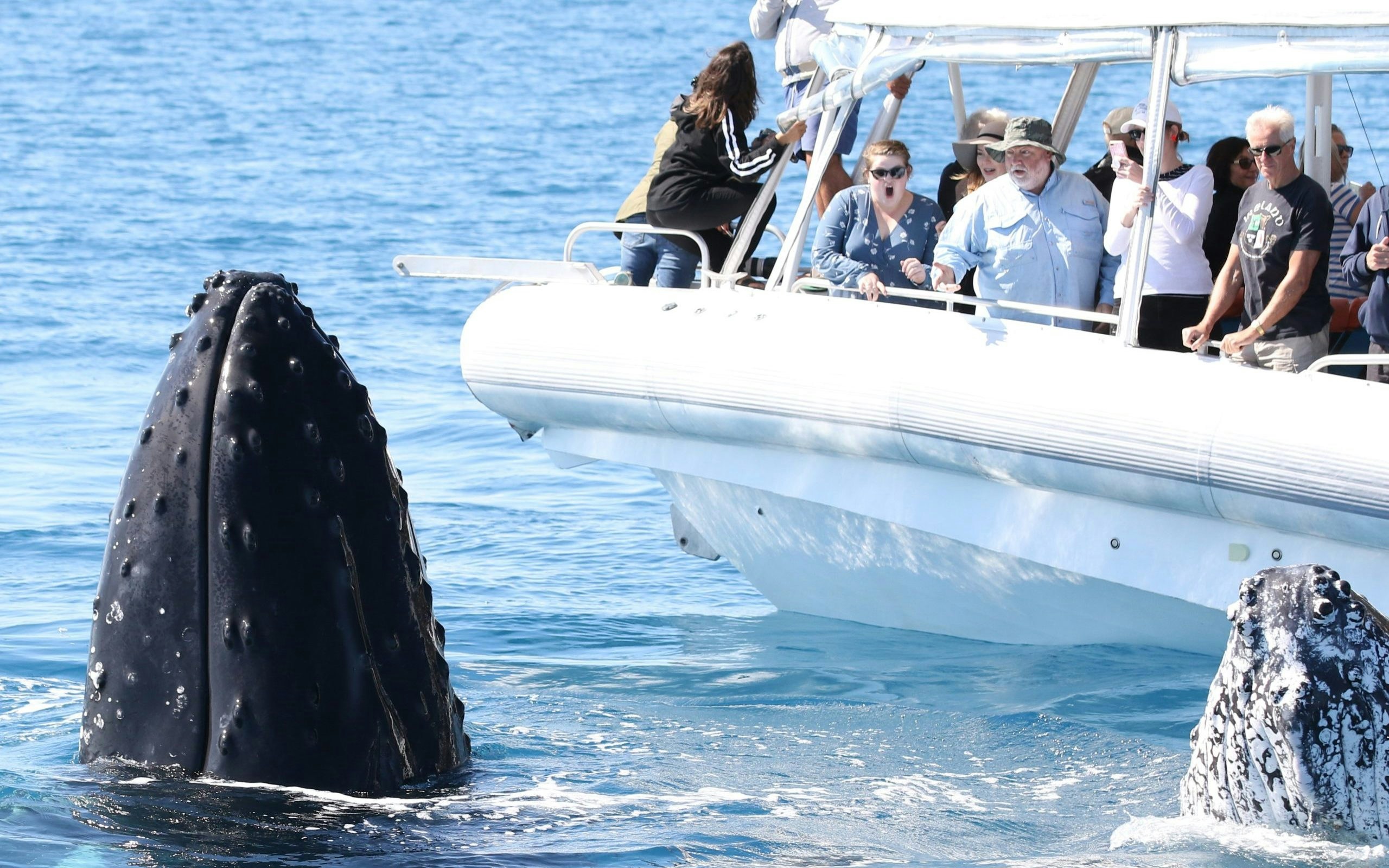
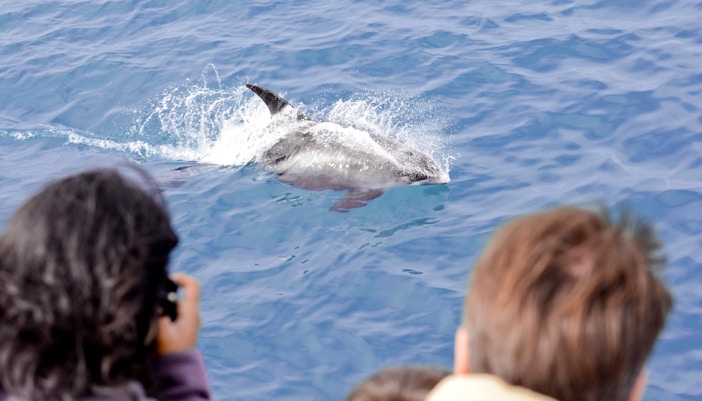
Tourists on a boat watch two humpback whales surface in Hervey Bay.
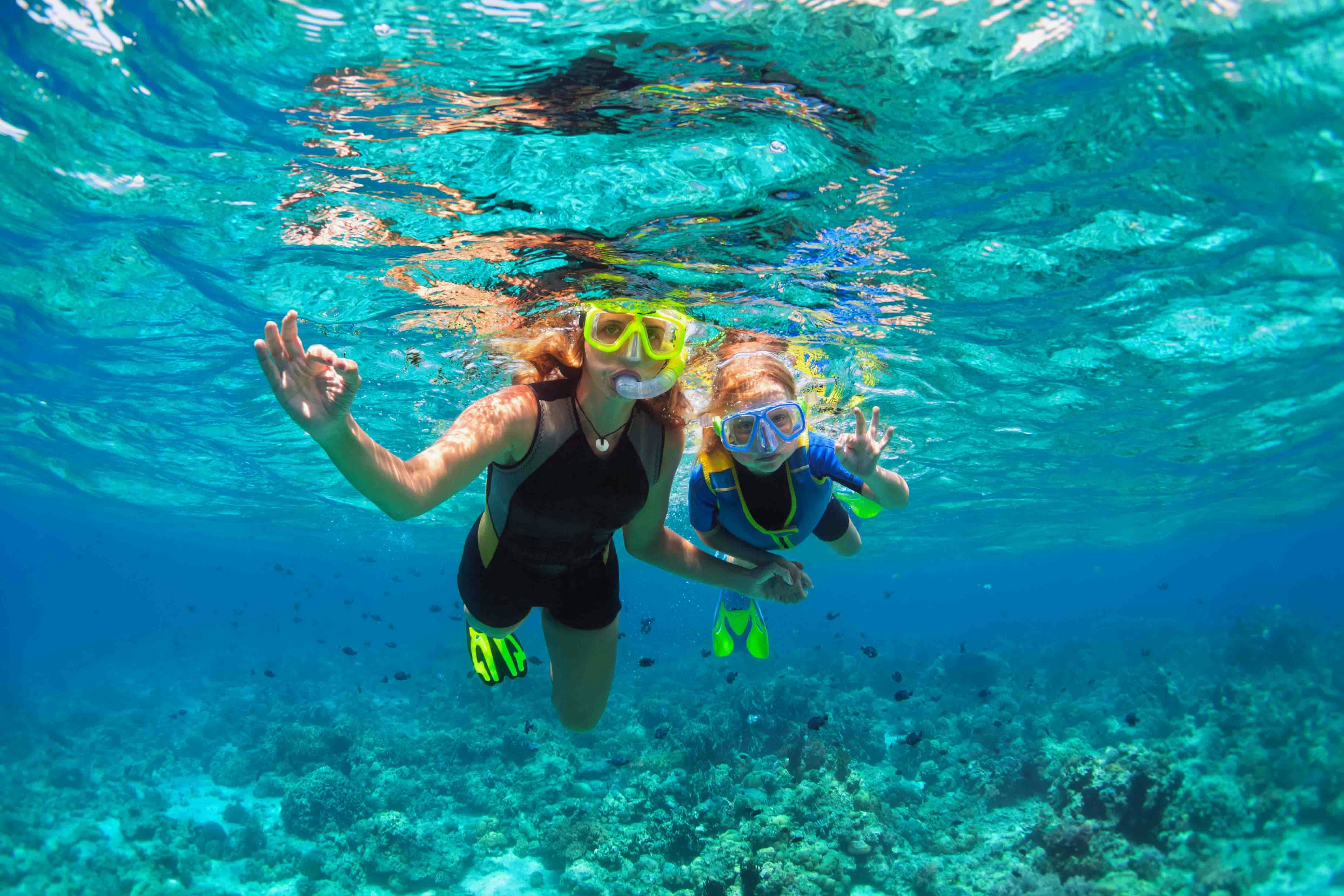
Tourists snorkeling in clear waters over coral reefs at Nusa Penida, Indonesia.
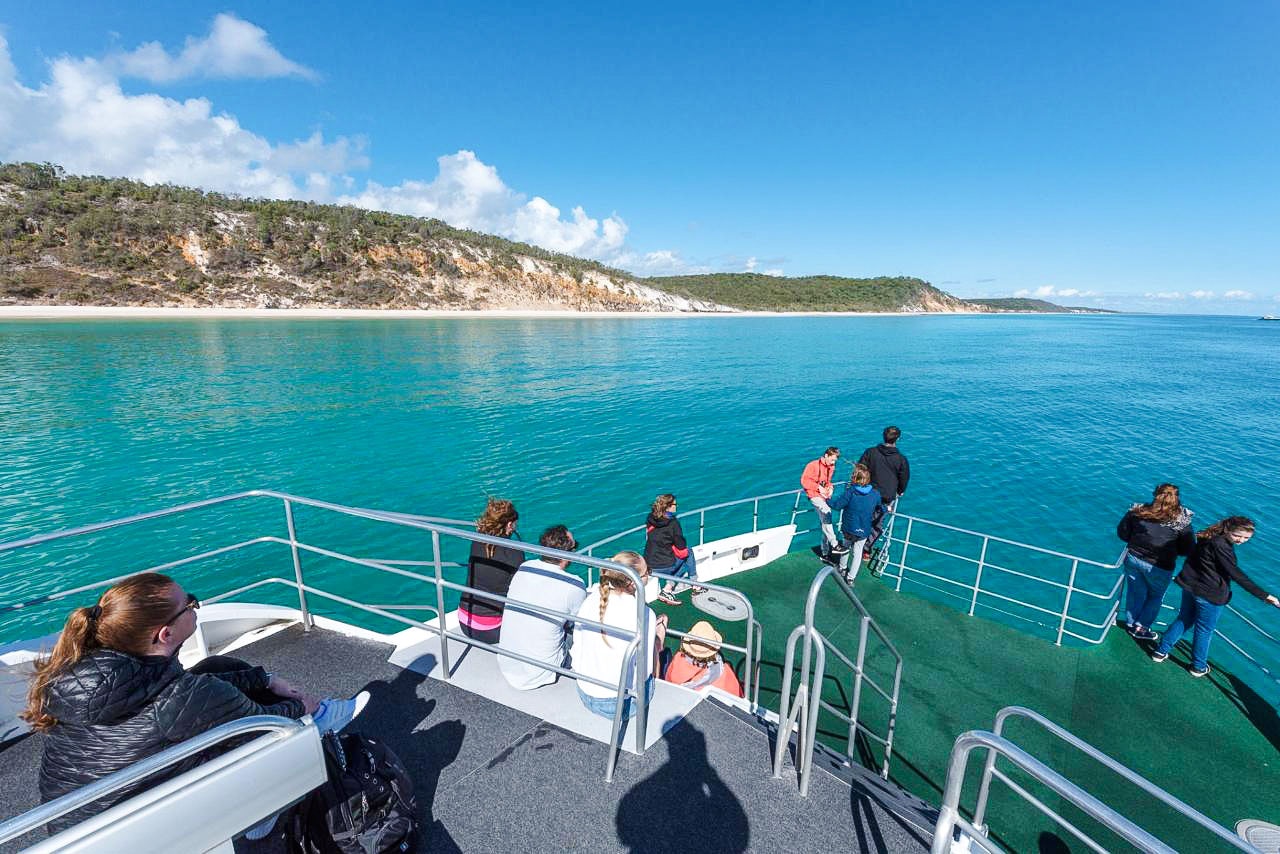
Guests on a boat deck view Fraser Island shoreline from Hervey Bay.
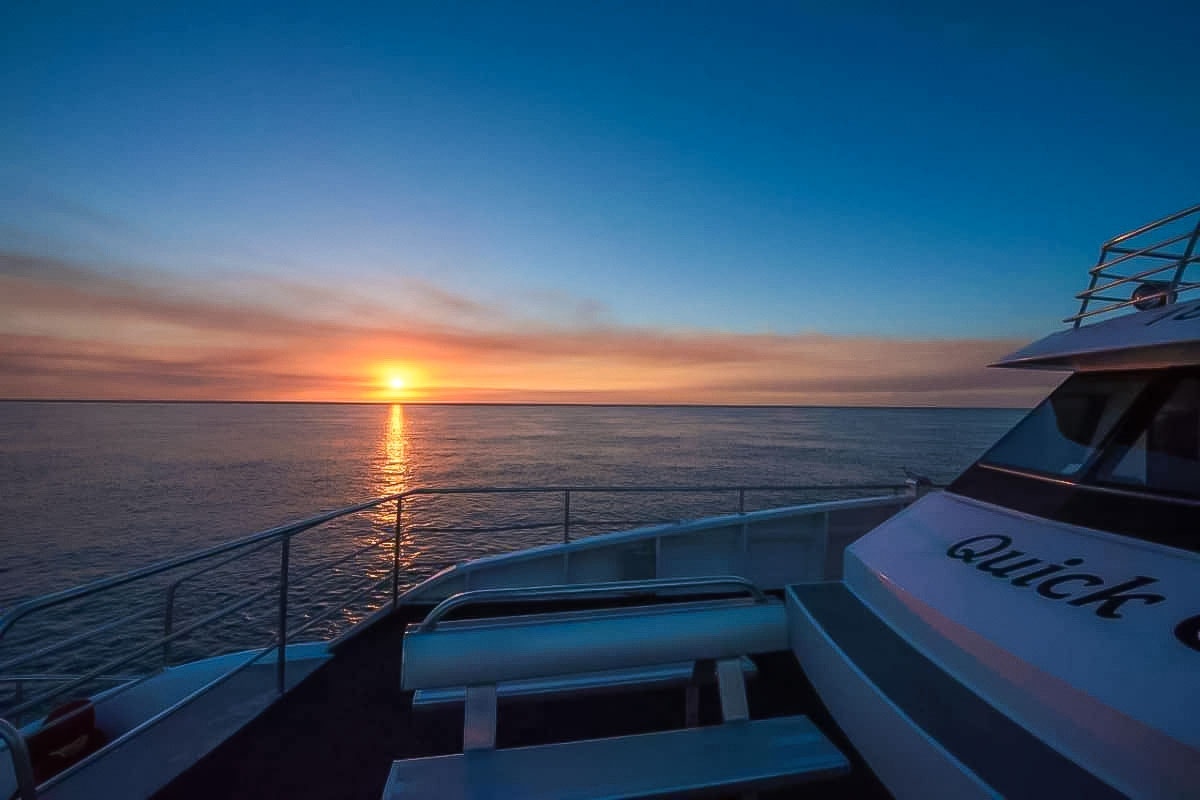
Sunset over the ocean from the deck of a "Quick Cat" tour boat in Hervey Bay.
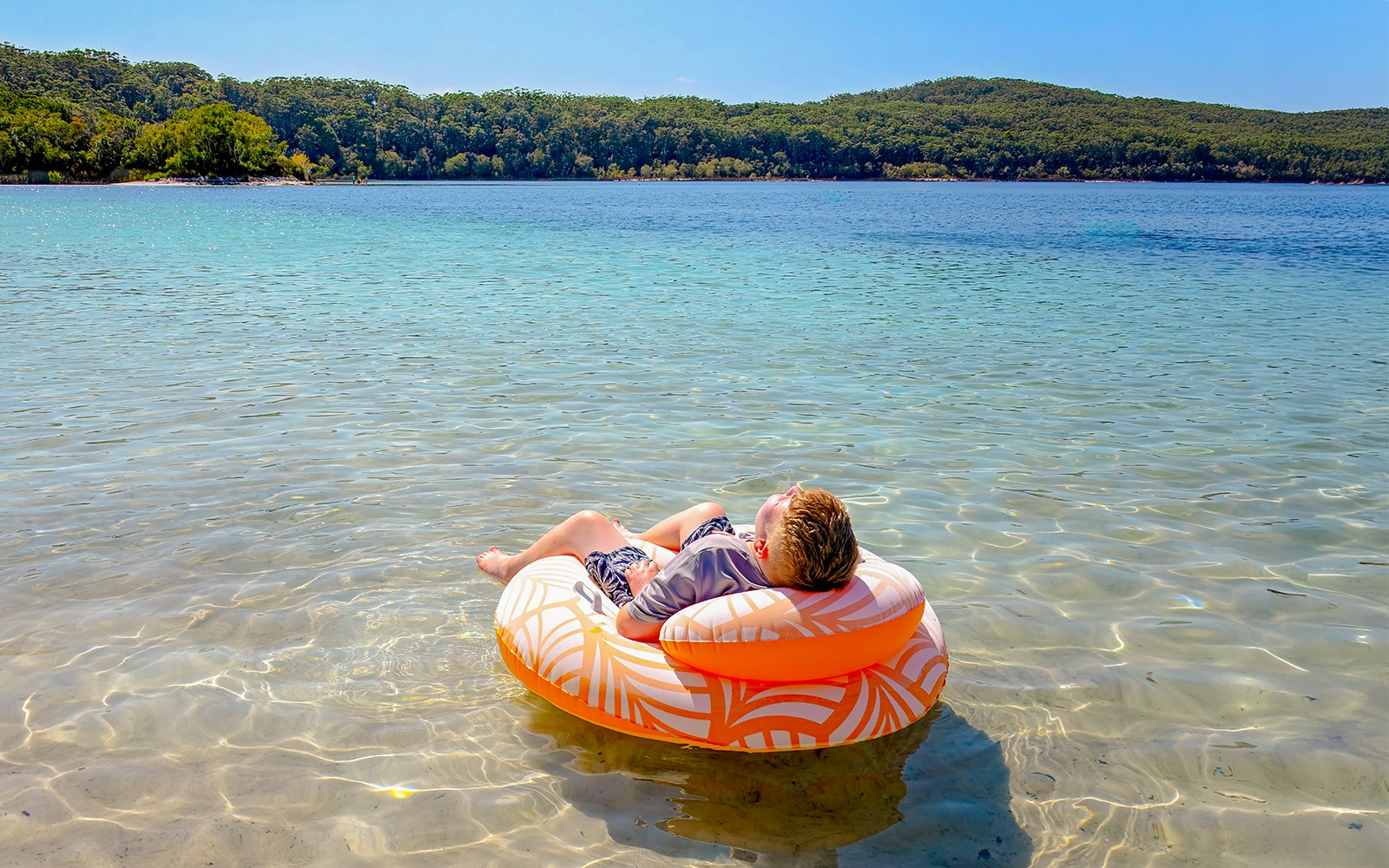
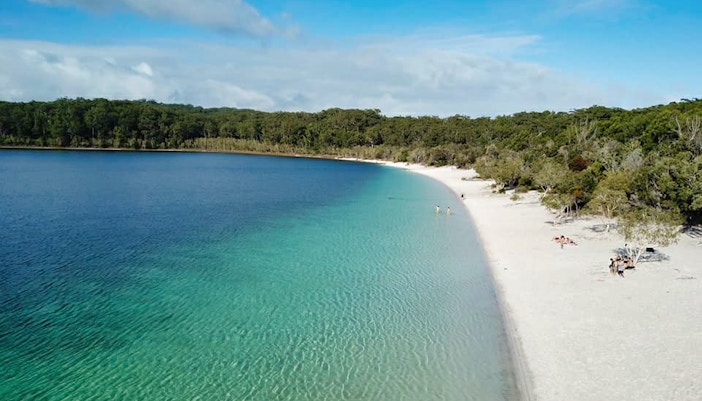
Boy floating on an inflatable ring in Lake McKenzie, Fraser Island, K'gari.
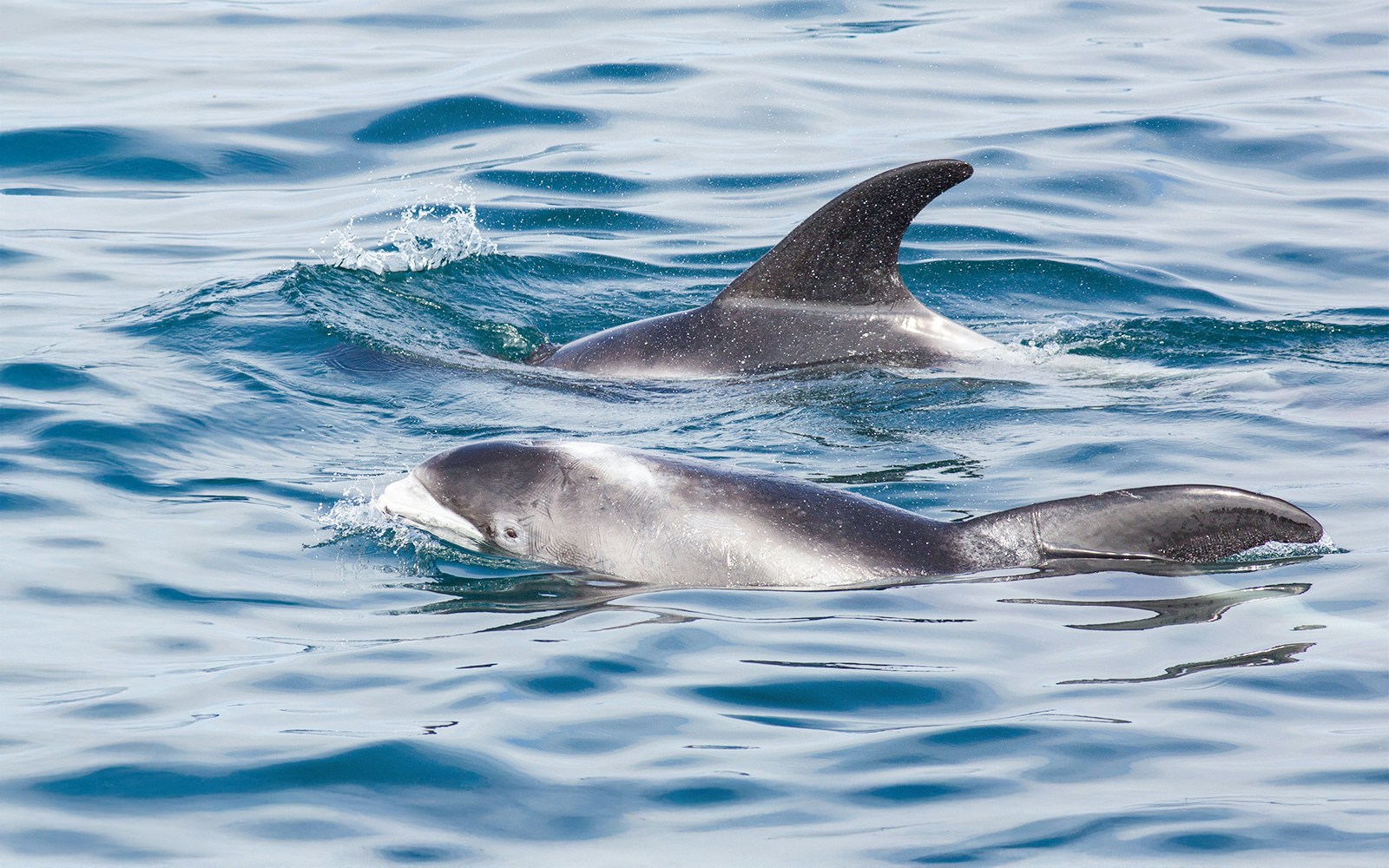
Dolphins swimming in the ocean at a whale watching spot in Iceland.
1/6

It’s a Whale Heritage Site for a reason

Hervey Bay is a designated Whale Heritage Site, one of only two in all of Australia. What makes it special? The waters here are calm, shallow, and naturally protected by K’gari (Fraser Island), creating the perfect resting ground for humpback whales. That means you get more time, closer views, and the kind of prolonged sightings other locations can’t offer.

You’ve got options

Only got a morning? The 4-hour cruise lets you see whales up close, with a hydrophone to listen to their underwater songs. Want to make a day of it? Go for the full-day cruise. Not only do you get extended whale encounters, but also a chance to explore Fraser Island’s untouched western coast. You can do snorkelling in clear waters, kayaking through creeks, and time spent on sandy inlets you’d never reach otherwise.

There’s a guide on board

Every cruise includes a marine guide or local naturalist on board who knows these waters and their giants inside out. They’ll point out breaching, pec-slapping, tail-lobbing, spy-hopping. More importantly they’ll explain what it all means. It’s more than sightseeing; it’s storytelling with a scientific lens. You’ll also learn about the region’s rich ecology, the role of K’gari in shaping this sanctuary, and how the whales interact with their environment.

No whales? Come back for free

Some whale watching cruises include a sighting guarantee. If you don’t spot a whale on your trip, you get a free return ticket valid for another day in the season. It’s part of a wider commitment to ethical whale watching—no chasing, no feeding, no interference.

You’ll get to see a side of K’gari most visitors miss

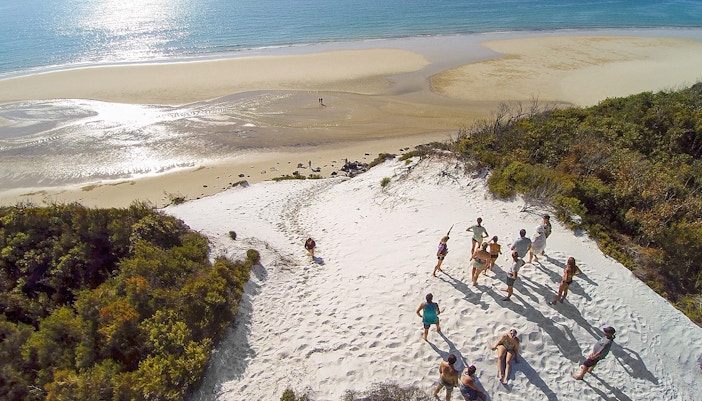
Most travellers to K’gari stick to the eastern stretch but these whale cruises take you to the island’s quieter, lesser-known western coast. With guided walks, swimming, tubing, and sand dune climbs, it’s an immersive add-on to your whale experience.

The wildlife doesn’t stop with whales

While it’s focused on whales, you’re also likely to see bottlenose dolphins, dugongs, sea turtles, and coastal birdlife. The Great Sandy Strait is rich with seagrass meadows and mangrove-lined channels. Some tours even include underwater viewing windows or hydrophones, letting you tune in and watch marine life without even getting your feet wet.
Highlights of the tour

Wathumba Creek

Wathumba Creek is a shimmering blend of turquoise water, fine white sand, and lush mangroves. You can kayak or snorkel in its tidal creeks, float gently in still waters, or explore the surrounding banks, where the only footprints may be your own.

Awinya Creek

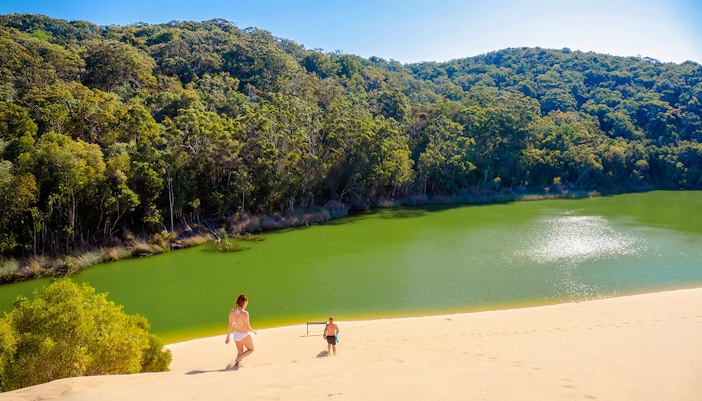
At Awinya Creek, the landscape shifts to tranquil freshwater that flows through forest, and towering paperbarks and melaleucas line the edges. It's one of those rare places that feels untouched and peaceful, where you can paddle or float without a sound but birdsong.

Bowarrady Creek

Tucked between golden sand dunes and dense coastal forest, Bowarrady Creek has its own distinct rhythm. The tannin-rich waters are calm and warm, ideal for a relaxed swim or a barefoot wander along the shore.

Access to hydrophones and underwater viewing

Some cruises feature hydrophones so you can hear the whales. You’ll hear low groans, melodic calls, and even a few clicks when calves are nearby. Paired with underwater viewing windows, it gives you a whole new perspective on what’s happening beneath the surface. It’s one of the best ways to feel connected to the whales in their own world.

Transfers included with hotel pickup

Most of the tours offer hotel pickups and drop-offs from Hervey Bay, saving you the hassle of navigating early morning transport or worrying about parking. It’s one less thing to plan, and it gets you from doorstep to dock without the stress.

Morning tea, afternoon snacks or a full lunch

From antipasti platters to packed buffet lunches, your tour will likely include something fresh and satisfying to keep you fuelled. Whether it’s morning tea on the open deck or lunch after a kayak session, these little touches help balance the adventure with comfort.

Best Whale Watching in Hervey Bay tour

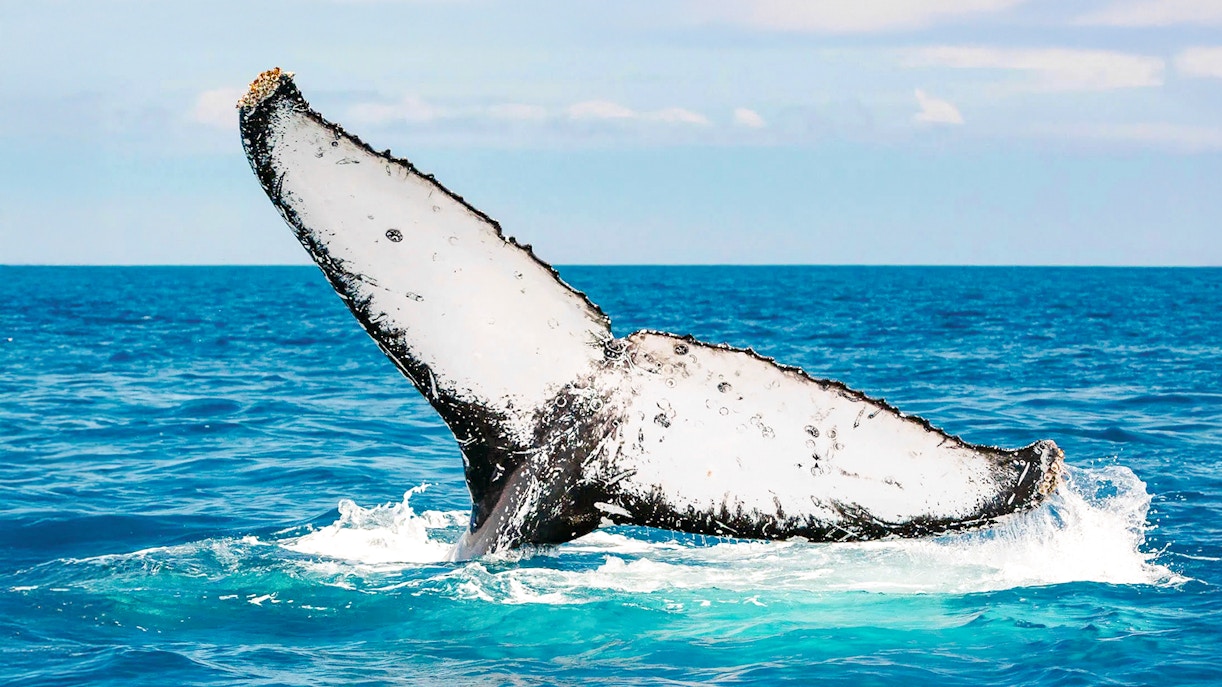
Whale tail breaching water near Fraser Island, K'gari, during whale watching tour.

If you’re looking for the complete experience, the full-day whale watching cruise is your best bet. It’s ideal for families, nature lovers, or anyone wanting to pair whale sightings with a scenic day out. With just 35 people on board, it feels more intimate and there’s plenty of time to snorkel, kayak, and explore Fraser Island’s western creeks. Plus, lunch and hotel transfers are included, making it a seamless all-day outing with no extra planning on your part.

Book your full-day tour now

If you are pressed for time or just want to focus on the whales then go for the half-day cruise. You’ll be on a faster vessel, out for just four hours, with expert commentary and access to a hydrophone and underwater viewing window. It’s great if you’re on a tighter schedule or prefer a lighter itinerary. Just keep in mind it’s a bigger group (up to 85), so expect a livelier onboard atmosphere.

Book your half-day tour now

Tips for the best experience

Use polarized, wrap-around sunglasses: Glare off the Great Sandy Strait can be intense. Polarized lenses help you spot whales on the water’s surface and protect your eyes during long early-morning or afternoon trips.

Bring reef-safe sunscreen and insect repellent: The sun reflects intensely from creeks and sandy beaches, and K’gari’s freshwater areas attract mosquitoes especially near Wathumba and Awinya Creeks.

Arrive early at Urangan or Straits Marina: Securing a good vantage spot on deck can be crucial. So make sure you board early to get a better seat.

Charge your camera and bring a backup: You’re likely to get hours of action: mothers teaching calves, breaches, tail slaps and even dolphins or sea turtles. A full battery (plus a backup power bank) ensures you don’t miss the shot.

Layer for changing weather: Temperatures can swing from cool pre-dawn air to midday sun. Bring a lightweight windbreaker that can be easily stowed.

Stash a soft cloth or microfiber towel: Perfect for wiping mist off camera lenses or drying hands after snorkeling or kayaking. It’s small, light, and worth more than you think once you’re juggling marine gear.

Stay hydrated but skip plastic bottles: Most trips serve water or tea, but the open sea dries you out fast. Bring a reusable water bottle to refill and help keep the marine environment plastic-free.

Move mindfully during creek stops: When heading ashore at Wathumba or Awinya Creeks, walk slowly. The sand can be soft, tree roots hidden, and creek beds slippery. Stick to the guide’s path, especially near dune edges or creek banks.

Frequently asked questions on best whale watching from Hervey Bay

Whale watching in Hervey Bay is best from July to October, when humpback whales pause in the calm bay waters during their migration. August and September often offer the most sightings, including playful calves and social behaviors like breaching and tail-slapping.